One-on-One Quran Classes: A Path to Deep Learning and Spiritual Growth
Introduction
The Quran is the final revelation of Allah (SWT) to humanity, a timeless guide for spiritual, moral, and social development. Learning the Quran is not only an act of worship but also a profound journey toward understanding divine wisdom. While group classes provide a sense of community and collective learning, one-on-one Quran classes offer a personalized, focused, and highly effective method of acquiring Quranic knowledge. This article explores the significance, methodology, benefits, and scholarly perspectives on one-on-one Quran learning.
The Importance of Quranic Learning in Islam
The Quran emphasizes the importance of seeking knowledge, particularly that which draws a person closer to Allah. Allah says in the Quran:
وَقُل رَّبِّ زِدْنِي عِلْمًا
“And say, ‘My Lord, increase me in knowledge.'” (Surah Taha, 20:114)
This verse underscores that seeking knowledge is a continuous process, and learning the Quran is among the noblest forms of acquiring knowledge.

Historical Background of One-on-One Learning
During the time of Prophet Muhammad ﷺ, one-on-one learning was common. Many companions memorized the Quran under direct supervision of the Prophet ﷺ. The personalized guidance allowed learners to master proper pronunciation (Tajweed), comprehension, and application of the Quranic message. This tradition continues today in online and in-person formats.
Defining One-on-One Quran Classes
One-on-one Quran classes are educational sessions where a single student engages directly with a qualified teacher or tutor. These sessions are tailored to the student’s pace, learning style, and level of understanding. The teacher provides individual attention, corrects mistakes, and ensures accurate pronunciation and comprehension.
The Role of Tajweed in Individual Learning
Tajweed refers to the set of rules governing the correct pronunciation of Quranic letters and words. The Prophet ﷺ emphasized the importance of precise recitation:
وَرَتِّلِ الْقُرْآنَ تَرْتِيلًا
“And recite the Quran with measured recitation.” (Surah Al-Muzzammil, 73:4)
One-on-one learning allows teachers to closely monitor and correct the student’s recitation, ensuring mastery of Tajweed rules, which is difficult to achieve in larger group settings.

Personalized Curriculum
A major advantage of one-on-one classes is the personalized curriculum. Each student has different strengths, weaknesses, and learning speeds. Teachers can adapt lessons to focus on memorization (Hifz), comprehension (Tafsir), Tajweed, or a combination, providing a holistic Quranic education.
Memorization (Hifz) and Retention
Memorizing the Quran is a spiritual and intellectual endeavor. One-on-one classes allow for systematic memorization, where a teacher monitors each verse, corrects errors, and ensures long-term retention. The Prophet ﷺ said:
خَيْرُكُمْ مَنْ تَعَلَّمَ الْقُرْآنَ وَعَلَّمَهُ
“The best among you are those who learn the Quran and teach it.” (Sahih al-Bukhari, Hadith 5027)
This highlights the dual importance of learning and teaching, which is fostered through personalized instruction.
Developing Comprehension Through Tafsir
Understanding the meaning of the Quran is as important as memorizing it. Tafsir is the explanation and commentary of Quranic verses. One-on-one sessions allow the teacher to explain verses in depth, connect them with contemporary issues, and provide historical and linguistic context. For instance:
وَنُنَزِّلُ مِنَ الْقُرْآنِ مَا هُوَ شِفَاءٌ وَرَحْمَةٌ لِّلْمُؤْمِنِينَ
“And We send down from the Quran that which is a healing and a mercy for the believers.” (Surah Al-Isra, 17:82)
This demonstrates that understanding the Quran provides guidance, spiritual healing, and moral insight.
Focused Attention and Correction of Errors
In a one-on-one setup, the teacher can immediately correct pronunciation mistakes, grammatical errors, and misunderstandings of meaning. This reduces the risk of developing incorrect recitation habits, which can be hard to unlearn in later stages of memorization.
Flexible Learning Schedule
One-on-one classes allow for flexibility in timing and pace. Students can schedule lessons based on their availability, learning speed, and personal goals. This is particularly beneficial for working adults, school students, and individuals with unique learning needs.
Spiritual Benefits of Personalized Learning
Beyond academic mastery, one-on-one Quran classes foster a deep spiritual connection with the Quran. Direct mentorship encourages reflection, consistent practice, and development of a personal bond with the divine message.
Teacher-Student Relationship
The relationship between teacher and student is critical. A qualified Quran teacher serves as a mentor, guide, and motivator. The teacher not only corrects mistakes but also inspires the student to achieve excellence in memorization, comprehension, and application of Quranic teachings.
Technology and Online One-on-One Classes
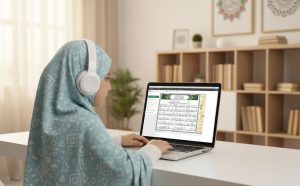
With advancements in technology, online one-on-one Quran classes have become widely accessible. Platforms use video conferencing, digital whiteboards, and interactive tools to simulate traditional face-to-face instruction. Students from any part of the world can now benefit from expert teachers.
Evidence from Scholarly Research
Academic studies indicate that personalized learning, including one-on-one tutoring, significantly improves retention, comprehension, and engagement. The Quranic pedagogical tradition aligns with this research, emphasizing mentorship and individualized guidance as critical to mastery.
Integration of Quranic Themes and Values
One-on-one classes allow teachers to integrate Quranic themes such as patience, compassion, and ethical conduct into lessons. For example, verses emphasizing moral behavior can be explained in a relatable context, encouraging students to internalize divine guidance.
إِنَّ اللَّهَ يَأْمُرُ بِالْعَدْلِ وَالإِحْسَانِ وَإِيتَاءِ ذِي الْقُرْبَى
“Indeed, Allah commands justice, good conduct, and giving to relatives.” (Surah An-Nahl, 16:90)
Such guidance is more impactful when discussed interactively, as in personalized classes.
Enhancing Confidence and Motivation
Students often feel more confident in one-on-one settings, as they receive constant feedback and encouragement. This motivates consistent practice and helps overcome challenges in recitation, memorization, and understanding.
Addressing Individual Learning Challenges
Every student has unique learning challenges, such as difficulty with pronunciation, slow memorization, or comprehension issues. Personalized attention ensures that these challenges are addressed proactively and effectively, leading to steady progress.
Preparing Students for Quranic Competitions
For students participating in Quran recitation competitions, one-on-one classes provide the precision, discipline, and confidence required for success. Teachers guide learners in perfecting pronunciation, intonation, and expression.
Lifelong Benefits
One-on-one Quranic education fosters lifelong learning habits. Students develop a disciplined approach to study, spiritual reflection, and application of Quranic teachings, enriching their personal and communal lives.
Practical Tips for Choosing a Teacher
Selecting a qualified Quran teacher is critical. Parents and students should consider teaching experience, knowledge of Tajweed and Tafsir, patience, and ability to connect with students. Checking references or attending trial sessions can ensure the right fit.
Conclusion
One-on-one Quran classes provide an ideal environment for mastering the Quran. They combine personalized attention, flexible pacing, spiritual enrichment, and scholarly guidance, ensuring students achieve both intellectual understanding and deep spiritual connection. In the fast-paced modern world, personalized learning remains a timeless method for nurturing proficient, devout, and knowledgeable Quranic learners.
Tarteel e Quran Academy
Tarteel e Quran Academy provides online one-on-one Quran classes worldwide, connecting students with highly qualified teachers. With flexible schedules, personalized curricula, and a focus on Tajweed, memorization, and comprehension, Tarteel e Quran Academy ensures that learners of all ages and levels receive the attention and guidance needed to master the Quran from the comfort of their homes.
FAQ Answers
Q1: What are one-on-one Quran classes and how do they work?
A1: One-on-one Quran classes are personalized lessons where a student learns directly from a qualified teacher. These classes focus on reading, memorization, Tajweed, and understanding at a pace suited to the learner.
Detailed explanation: Unlike group classes, one-on-one Quran learning allows the teacher to tailor every session to the student’s needs, correcting mistakes immediately and offering individualized guidance. Students often progress faster and retain knowledge better because lessons are interactive and customized.
Q2: Why is personalized Quran learning better than group classes?
A2: Personalized Quran learning is better because it adapts to your pace, focuses on your strengths and weaknesses, and ensures consistent feedback.
Detailed explanation: In group settings, teachers cannot always address each student’s errors or questions. One-on-one classes provide focused attention, helping students master difficult verses, Tajweed rules, and memorization techniques more effectively.
Q3: How do one-on-one classes improve Tajweed and pronunciation?
A3: One-on-one Quran classes improve Tajweed and pronunciation by giving immediate feedback on every word you recite. Teachers can correct subtle mistakes in articulation and tone.
Detailed explanation: Tajweed requires precision, which is hard to achieve in groups. A private teacher ensures your vowels, letters, and stopping points are accurate, helping you recite beautifully and confidently, whether for daily prayers or competitions.
Q4: Can online one-on-one Quran classes be as effective as in-person lessons?
A4: Yes, online one-on-one Quran classes can be just as effective as in-person lessons when taught by an experienced teacher using proper digital tools.
Detailed explanation: Virtual classes allow students to access qualified teachers from anywhere, with real-time feedback via video calls. Interactive tools like screen sharing, Tajweed guides, and recordings can enhance learning just as much as face-to-face sessions.
Q5: What is the best age to start one-on-one Quran classes?
A5: The best age to start is usually between 4 and 7 years old, when children can focus and develop basic reading skills.
Detailed explanation: Early exposure helps children build a strong foundation in Quranic reading, memorization, and pronunciation. However, it’s never too late—teenagers and adults can also benefit significantly from personalized lessons.
Q6: How do one-on-one Quran classes help with memorization (Hifz)?
A6: One-on-one Quran classes help with memorization by providing structured schedules, regular revision, and personalized techniques that suit the learner’s memory style.
Detailed explanation: Teachers can break down difficult sections, focus on problem areas, and use repetition strategies tailored to each student. This approach increases retention and makes memorization less overwhelming and more enjoyable.
Q7: What should I look for when choosing a Quran teacher for one-on-one sessions?
A7: Look for a teacher who is qualified in Tajweed, experienced in Hifz, patient, and able to adapt lessons to your learning style.
Detailed explanation: A good Quran teacher should offer clear guidance, constructive feedback, and support both reading and understanding. Credentials, teaching experience, and positive reviews from other students are also important to ensure quality learning.
Q8: How do personalized Quran classes enhance understanding of Tafsir?
A8: Personalized classes enhance understanding of Tafsir by allowing the teacher to explain meanings, context, and interpretations of verses in detail.
Detailed explanation: Students can ask questions and explore lessons deeply, gaining insight into Quranic wisdom and lessons for everyday life. This one-on-one interaction strengthens comprehension and encourages thoughtful reflection.
Q9: Can one-on-one Quran learning boost spiritual growth and connection?
A9: Yes, personalized Quran learning boosts spiritual growth by fostering a deeper connection with Allah through reflection, correct recitation, and understanding of His words.
Detailed explanation: A private teacher can guide you in contemplative reading, understanding key messages, and applying Quranic teachings in daily life. This individualized attention often inspires greater devotion, mindfulness, and consistency in worship.
Q10: How do one-on-one classes prepare students for Quran recitation competitions?
A10: One-on-one classes prepare students for competitions by refining Tajweed, improving fluency, and building confidence in recitation.
Detailed explanation: Teachers can focus on proper pronunciation, voice modulation, and memorization of competition-ready sections. Personalized feedback helps students identify weaknesses, practice effectively, and perform confidently on stage.