INTRODUCTION TO ISLAMIC DREAM MEANINGS & DREAMS INTERPRETATIONS
From my twenty years of studying and teaching, I have often returned to the legacy of Muhammad Ibn Siren, his brother Yahyaa Ibn Siren, and the classical heritage of 653-729 CE where structured dream interpretation became a formal discipline among the companions. Through narrations, especially those preserved in Sahih Al-Bukhari, we learn how a dream can sometimes be a revelation, yet it always requires caution so a person does not make a false claim, speak a lie, or create corruption.
I have personally witnessed people misunderstanding visions because they ignored the guidance of the Prophet, the wisdom of Prophet Muhammad, and earlier lessons from Prophet Joseph, whose explanation remains timeless. The Prophet warned about falsely claiming dreams, mentioning a severe punishment on the Day of Resurrection, symbolized as molten lead poured into the ears of one who fabricates a picture of a dream they never saw.
In spiritual teaching settings, I guide students to protect their life, soul, and faith from Shaytan, as some dreams are attempts of eavesdrop and whispering. The Sunnah teaches us protection through Islam, authentic books, preserved text, and wise compilation of scholars, including reminders about barley grains, tying, disliking, and the symbolism connected to Saalah, people, leadership, and being wise. When facing unpleasant dreams or disturbing dreams, the person should spit left, seek protection from the accursed devil, avoid narrating such visions, and remain among righteous followers. Classical platforms like my Islamic Dream help students discover more, but always under knowledge-based guidance.
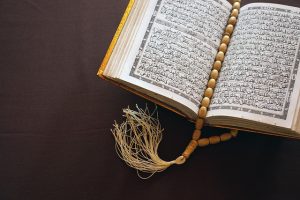
THE THREE TYPES OF ISLAMIC DREAMS
In my teaching career, the Sunnah classifications helped countless learners: Sunnah explains Ru’yaa, the good visions and righteous dreams that come as glad tidings from Allah. Then there is Hulum, representing bad dreams influenced by Shaytan or the self, the ramblings of mind.
The great Abu Hurayrah preserved teachings in Sahih Muslim and Sahih Al-Bukhari that such dreams are more frequent among truthful believers, those with truthful speech and good deeds who live on halal and lawful acts. These dreams should be narrated only to likeable people, trusted scholars, or family, just as Yusuf shared with Yaqoob, being cautious of jealousy, because Satan remains the enemy of man.
From my counseling experience, I often see people treat dreams as if they guarantee prophethood, but they are instead glad tidings, encouragement for prayer, sometimes a reminder to stand up, change behavior, or even physically changing side when troubled. The guidance is to seek refuge, spitting left, believing harm removed, and not disclosing bad dreams to avoid unnecessary distress.
Significance of dreams in Islam
Our tradition teaches that dreams may form forty-six parts of prophethood, and when approached with sincerity, a truthful dreamer usually reflects truthful speech. Through years of observing believers, I noticed how dream experiences become meaningful especially near the end of time, serving sometimes as good news, emotional compensation, or reminders of patience and steadfast faith.
I have read how the Sahabah valued such visions yet warned those of weak faith not to depend entirely on dreams. They may carry hints of miracles, but only when understood within Islamic principles and authentic scholarly foundations.
Types of dreams in Islam
Teachers of knowledge differentiate between Rahmani dreams that come with light and meaning, nafsani dreams that arise from personal thoughts, and shaytani dreams that cause distress through Shaytan. Others are purely psychological, shaped by thoughts while awake, expressed as a sleep vision, and in my counseling work, recognizing these categories often brings relief and clarity to the heart.
Tarteel e Quran Online Academy
In my journey with Tarteel e Quran Online Academy, I have seen countless students finding balance in faith and mind through structured learning. Their discipline in Quran recitation nurtures the heart, strengthens belief, and indirectly refines dream understanding by deepening connection with Allah. This sincere environment shapes character, corrects understanding, and ensures learners grow spiritually, intellectually, and ethically.
FAQ Answers
Q1: How to know the meaning of a dream in Islam?
Short Answer: In Islam, the meaning of a dream is understood through guidance from the Qur’an, Sunnah, and authentic Islamic scholars, not random interpretations. True dreams come from Allah, while others may come from thoughts or whispers.
Detailed Answer: Islam teaches that dreams can be three types: true dreams from Allah, dreams influenced by daily thoughts (nafs), and dreams from Shaytan. To understand a dream correctly, look for interpretations from trusted scholars and classical Islamic works. Avoid guessing meanings yourself. If the dream is good, thank Allah; if it is bad, seek protection and do not share it.
Q2: Are dreams a warning from Allah?
Short Answer: Yes, sometimes dreams can be a warning from Allah, especially true and meaningful dreams. But not every dream is a divine message.
Detailed Answer: Islam teaches that some dreams are glad tidings or warnings that guide believers toward goodness. However, many dreams are simply reflections of thoughts, stress, or daily life. True meaningful dreams are usually clear, remembered, and do not contradict Islam. If unsure, seek guidance from knowledgeable scholars.
Q3: Do dreams really have meaning in Islam?
Short Answer: Yes, dreams do have meaning in Islam, and many narrations explain their significance.
Detailed Answer: The Prophet Muhammad ﷺ explained that some dreams hold spiritual meaning and truth. Islam recognizes dreams as a part of guidance, especially true dreams which are considered a small part of prophecy. However, not every dream carries meaning, so believers should approach interpretations with wisdom and balance.
Q4: Is it haram to tell dreams in Islam?
Short Answer: It is not haram to tell dreams, but Islam advises sharing only good dreams with loved ones and avoiding sharing bad dreams.
Detailed Answer: The Prophet ﷺ taught that a good dream is from Allah, so it can be shared with trusted people. A bad dream should not be shared; instead, say A’udhu Billah, spit lightly to the left three times, and do not dwell on it. Sharing bad dreams can create fear or misunderstanding.
Q5: Are dreams after Fajr false?
Short Answer: No, dreams after Fajr are not automatically false. Islam does not say that Fajr dreams are fake.
Detailed Answer: Authentic narrations mention that the truest dreams are often seen in the last part of the night. Many scholars say meaningful dreams can happen anytime by Allah’s will. What matters is the nature of the dream, not just the timing.
Q6: What is the 3 biggest sin in Islam?
Short Answer: The three biggest sins in Islam are Shirk (associating partners with Allah), killing an innocent person, and disrespecting or disobedience to parents.
Detailed Answer: Islamic teachings classify major sins as Al-Kabair, and among them, these three are repeatedly emphasized. Shirk destroys faith, unjust killing is a grave injustice, and disrespecting parents breaks family and spiritual duty. Muslims are encouraged to avoid all major sins and repent sincerely.
Q7: What is the 7 7 7 rule in Islam?
Short Answer: There is no authentic “7 7 7 rule” in Islam from the Qur’an or Sunnah.
Detailed Answer: Many people online mention “777 rule” but it has no Islamic basis in authentic teachings. Islam encourages following verified knowledge from Qur’an, Hadith, and recognized scholars, not cultural or internet-created ideas.
Q8: Which sin will Allah never forgive?
Short Answer: Allah does not forgive Shirk (associating partners with Him) if someone dies without repentance.
Detailed Answer: The Qur’an clearly states that Allah forgives every sin except shirk if a person dies without repenting. However, if someone sincerely repents before death, Allah can forgive even shirk. Allah’s mercy is vast, and repentance is always encouraged.